Single, Double and Triple Wall Corrugated: Choosing Strength
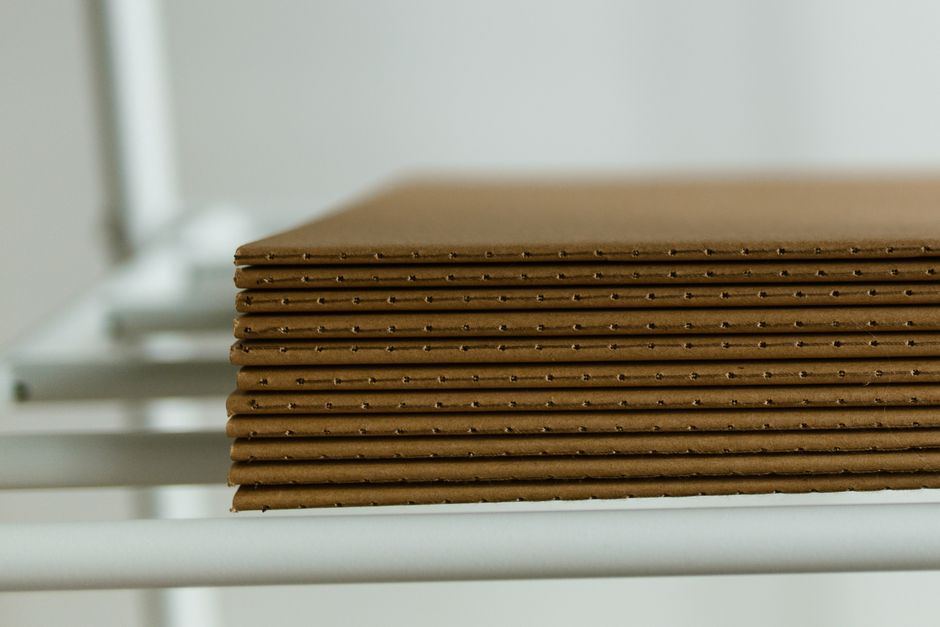
Corrugated board is built from flat liners and a rippled layer in between, called fluting. Single, double and triple wall describe how many fluted layers the board has. This guide explains what that means and how to choose.
In this article
What wall count means
Single wall board has one fluted layer between two flat liners. Double wall has two fluted layers and three liners. Triple wall has three fluted layers and four liners. More layers mean thicker, stiffer board.
Thicker board costs more and weighs more, so the aim is to match the board to the load rather than to buy the strongest option.
The fluting is what gives corrugated board its strength. The ripples work like small arches that resist being pressed flat, and the liners on either side hold them in place and give a surface to print on.
When single wall is enough
Single wall suits most light to medium products, such as clothing, small household goods and lighter ecommerce orders. It is the usual choice for boxes that go by parcel and are not stacked high.
If the box carries a product that is only a few kilograms and is not stored under other boxes, single wall is a sensible starting point.
Light boxes also ship cheaper. A lighter board adds less weight to every parcel, which matters when you send many small orders, so do not move up a grade unless the load calls for it.
When double wall makes sense
Double wall suits heavier products and boxes that are stacked on pallets. The extra layer resists crushing and gives better protection for items with sharp edges or dense contents.
It is common for machine parts, bulk goods and any carton that sits at the bottom of a stack for long.
Ask whether the carton will be stacked in storage or in transit. A box that is fine on its own can crush when a pallet is stacked three or four high, and that is often the moment to move to double wall.
Where triple wall is used
Triple wall is for very heavy, bulky loads and for large boxes that act as pallet-sized containers. It can replace wooden crates in some cases.
Because it is heavy and costly, it is worth it only when double wall cannot carry the load or the stacking height.
If you are unsure whether a load needs triple wall, ask the supplier to price a double wall box with a reinforcing pad or partition first. That combination often carries the load at lower cost.
Strength is more than layers
Board strength is also described by test ratings, such as edge crush test, which measures how well the board resists being crushed along its edge. Two boards with the same wall count can have different ratings.
You do not need to choose a rating yourself. Give the supplier the weight of one filled box, the stacking height, how long it is stored and whether it may meet moisture, and let them recommend a grade.
Moisture is worth mentioning. Corrugated board loses strength when it gets damp, so boxes stored in cold or humid places may need a stronger grade or a moisture-resistant option.
How to choose in practice
Start with the weight of one filled box and the way it ships. Parcel shipping of light items points to single wall. Heavy items, or pallets that are stacked, point to double wall. Very heavy bulk loads point to triple wall.
If you are between two grades, ask the supplier for a quote on both. The price difference is usually small compared with the cost of damaged product, and a supplier can often suggest a middle option, such as a stronger single wall board.
Always mention anything unusual: moisture, cold storage, long storage times or sharp-edged contents. These change the board choice more than the wall count alone.
Not sure what strength you need? Send the weight, size and stacking height through the quote form and a packaging supplier will advise.